by Amy Rosoman on 9 December 2025
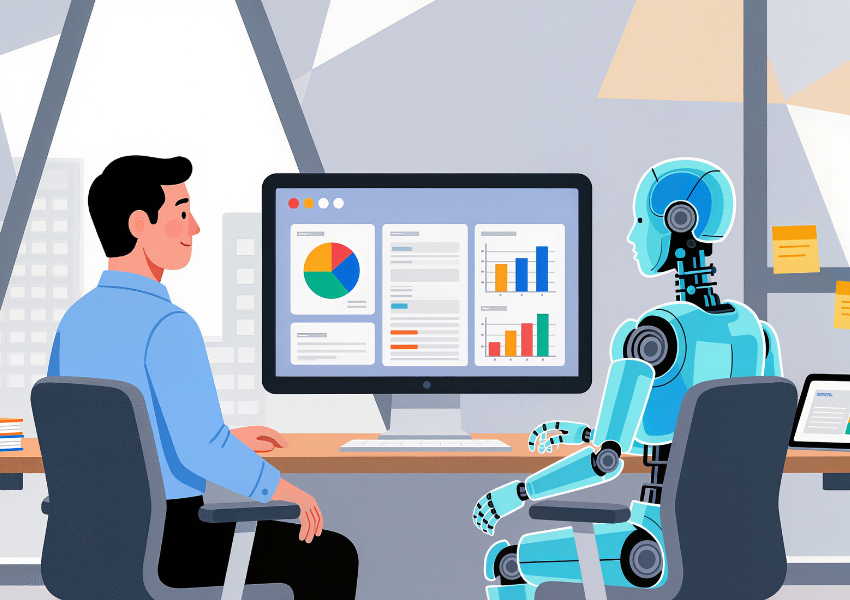
What strategic workforce transformation really looks like inside a major UK retail operator.
Retailers today face a complex set of workforce challenges - from rising labour costs to unpredictable demand patterns and growing expectations around fairness and flexibility.
 To stay competitive, organisations across the retail industry are moving beyond traditional scheduling processes and shifting toward a more strategic workforce approach.
That shift was the focus of a recent session featuring Joe Leith, Director of Retail Analytics at William Hill, and Phil Coxon, Group MD at ELMO UK. Together, they explored how real-time insight, AI forecasting and human-centred design are reshaping William Hill’s operations - and offering a clear blueprint for strategic workforce transformation.
1. Why workforce transformation matters now
Labour costs remain one of the biggest pressures facing the retail industry, with national living wage increases placing unprecedented strain on operating margins.
Joe highlighted the scale of change:
“National living wage being over 40% more than it was in 2021… that’s an enormous burden for employers to bear.”
As customer behaviour evolves and operational complexity increases, organisations need a strategic workforce model that supports wellbeing, efficiency and long-term business growth.
2. From pen and paper to insight-led change
William Hill’s journey moved from reactive, manual scheduling to a structured, insight-driven model of strategic workforce planning.
But this transformation wasn’t a “big bang.”
Joe described it as gradual, iterative and grounded in real-world understanding:
“It’s been much more about looking back than waiting for big bang moments.”
To begin the shift, the team focused on:
- building an MVP
- replicating familiar workflows
- engaging long-tenure colleagues
- establishing transparency
- encouraging champions to support change
This approach helped build trust and set the foundations for adopting such a system at scale across a multi-location network.
The result? A more strategic workforce approach that makes day-to-day planning more predictable, more collaborative, and more resilient.
3. What fair, flexible scheduling really looks like
Fair scheduling emerged as one of the most meaningful culture shifts in William Hill’s workforce strategy.
Joe shared an insight that shaped the organisation’s thinking:
“Fairness isn’t a KPI… empowering teams to agree what’s fair works better than imposing it top-down.”
Transparency became a powerful cultural tool:
- colleagues could see all shift patterns
- teams could discuss and negotiate fairness
- availability became self-managed
- holidays could be planned months in advance
This shift didn’t just support wellbeing - it improved workforce productivity by reducing friction, last-minute changes and unnecessary admin.
4. AI’s role in building a strategic workforce
AI wasn’t introduced to replace people - but to enable them.
Joe described a subtle but important truth:
“AI’s true value is quietly removing friction… freeing leaders to have high-quality conversations.”
Using AI forecasting, William Hill can now:
- tailor trading hours to local demand
- reduce time spent on manual scheduling
- give managers faster decision-making insight
- prepare more accurately for peak periods
- improve alignment between demand and staffing
This use of AI supports strategic workforce planning by strengthening decision quality and enhancing workforce productivity across their retail network.
5. Empowering managers: freeing the “squeezed middle”
Before implementing a modern scheduling approach, managers were stuck firefighting - handling last-minute changes, manual calculations and administrative overhead.
Now, with improved insight and tools from Rotageek, they can focus on leading people rather than managing paperwork.
“The amount of time our colleagues spend on scheduling has fallen off precipitously.”
This shift increases workforce productivity, strengthens team culture and improves the overall employee experience - all of which contribute to long-term business growth.
6. The measurable impact
One of the clearest indicators of successful transformation was the increase in forward planning.
“The number of shifts planned and agreed is eight times what it was when we first started.”
Other measurable improvements include:
- increased engagement and wellbeing
- smoother peak-period operations
- faster decision-making
- better visibility for employees
- stronger values-led leadership
- enhanced talent management through consistency and transparency
Collectively, these gains demonstrate how a strategic workforce model supports stability, reduces attrition and creates space for talent management practices that build long-term capability.
7. What tomorrow’s leaders will need
As workforce transformation accelerates across the sector, future managers will need stronger data confidence, strategic judgement and communication skills.
Joe summarised it perfectly:
“The best data environment in the world only tells you what is. What you do about it is driven by your values.”
Values-led leadership is essential to any effective workforce strategy, especially when combined with insight-led planning and human-centric automation.
8. Joe’s advice for leaders starting their journey
Joe closed the session with simple, powerful guidance:
“You can’t brute-force adoption… the more collaboration, feedback and championing you build in, the stickier the long-term change becomes.”
Start small.
Communicate often.
Build champions early.
Empower people.
Align around values.
This is the foundation of a truly strategic workforce approach.
The future belongs to adaptable, insight-led teams
William Hill’s experience shows that strategic workforce planning isn’t just a technology change - it’s a cultural one.
With the right data, AI and workforce strategy, organisations can:
- increase workforce productivity
- navigate complex workforce challenges
- retain talent
- empower managers
- support wellbeing
- maintain compliance
- create sustainable pathways for business growth
- stay competitive in a rapidly shifting environment
This is what a strategic workforce transformation looks like in practice - and it’s already redefining how retailers operate.
See the full conversation with William Hill’s Joe Leith and learn how to build your own strategic workforce model.
FAQs
Q. What is strategic workforce planning?
A. Strategic workforce planning is the practice of aligning labour resources, forecasting, and people needs with long-term business goals. It helps organisations improve efficiency, reduce costs and build workforce adaptability.
Q. How does AI support workforce productivity?
A. AI helps managers make faster, more informed decisions by forecasting demand, identifying patterns and automating manual tasks. This frees managers to focus on leadership, coaching and operational performance.
Q. What workforce challenges did William Hill face before transformation?
A. William Hill dealt with rising labour costs, regional demand variation, inconsistent scheduling and the pressure of operating small, distributed teams across long opening hours.
Q. How does transparency improve fairness?
A. By giving colleagues visibility into shift patterns, responsibilities and leave planning, teams can negotiate fairness collaboratively - reducing conflict and improving trust.
Q. Does AI replace managers?
A. No. AI provides recommendations, but decisions remain with leaders. This reinforces trust and ensures automation supports rather than replaces human judgement.